
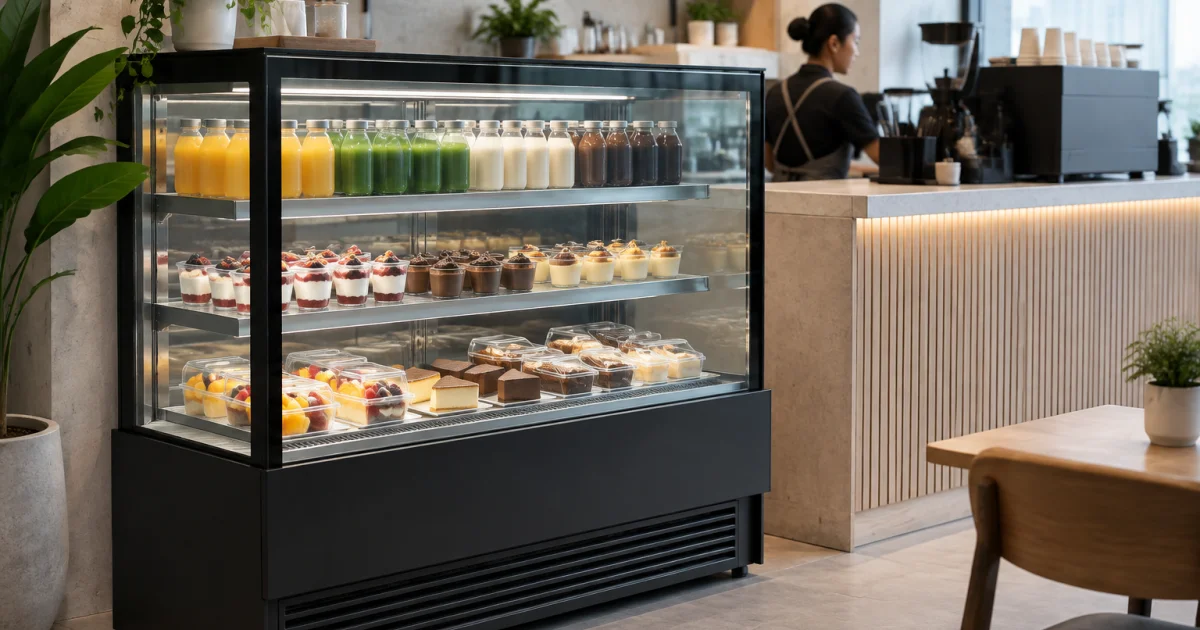
Display Chiller Fridges in Malaysia: A Practical Take on Energy, Visibility, and Product-Specific Fit
When people search for a display chiller, they usually want two things at once: keep products safely cold and make them easy to sell. In Malaysia, the choice is shaped by tight counter space, warm ambient temperatures, long operating hours, and the need to look good in front of customers. Picking a display chiller fridge Malaysia buyers can rely on is less about “biggest capacity” and more about fit: temperature stability for your items, visibility for your layout, and energy use that won’t hurt your monthly bill.
This guide is an opinionated, practical framework for shortlisting a unit for cafes, convenience stores, and dessert businesses. It separates what’s generally true (heat load, food handling basics, common features) from judgement calls (what to prioritize for different setups) so you can read a spec sheet and ask better questions.
First, what is a chiller fridge (and why “display” changes the rules)?
A chiller fridge holds products above freezing for ready-to-sell or ready-to-serve items. A display chiller adds glass, lighting, and customer-facing access to improve merchandising, but those features also make cooling harder.
Fact: Glass and frequent door opening increase heat gain. Internal lighting adds more heat load. More heat load means more compressor cycling, higher electricity use, and potentially bigger temperature swings if the unit is underpowered or poorly maintained.
Opinion: If your items are sensitive (cakes that sweat, chocolate desserts, dairy-heavy pastries, or drinks where condensation affects presentation), prioritize temperature stability over cosmetic upgrades. A cabinet that struggles during peak hours costs you in both electricity and product wastage.
- Storage chiller vs. display chiller: Storage models are built for stable holding with minimal access; display models are built to sell and must cope with front-of-house heat and openings.
- Chiller vs. freezer in a dual cabinet: Combination units are convenient but add complexity: two zones, different access patterns, and stricter merchandising discipline.
Energy use: what actually moves the needle in day-to-day operation
Energy talk often becomes “inverter vs. non-inverter” or “bigger compressor = more power.” In practice, energy use is driven by total heat the unit must remove and how efficiently it can do so across a full day.
Fact: The biggest heat-load drivers for front-of-house display equipment are ambient temperature, door-open frequency, warm product loading, and air leakage from worn gaskets. Lighting and fan motors matter too, but daily habits often dominate outcomes.
Opinion: Don’t pay extra for “efficiency” if operations will erase the gains. Many outlets run a cabinet like a service fridge during rush hours: long door-open times, warm restocking, and vent-blocking overfill. A correctly used unit often outperforms a larger misused one.
Practical energy checklist (equipment + operations)
- Door type and usage pattern: If openings are constant, consider a format or layout that reduces browsing time and speeds “grab-and-go.”
- Airflow design: Avoid packing items against back outlets; leave space for circulation.
- Gaskets and alignment: Treat poor seals like a window left ajar; check gaps, tears, and self-closing behavior.
- Condenser cleanliness: Dust buildup increases run time; schedule basic cleaning before performance drops.
- Defrost method: Know when auto defrost runs and whether it affects humidity-sensitive products (especially desserts).
Visibility and merchandising: sell faster without sacrificing temperature
Visibility is more than “more glass.” It’s line of sight, lighting quality, shelf geometry, and how customers interact with the cabinet.
Fact: Bright internal lighting improves product visibility, but it adds heat. Better units balance lighting efficiency with airflow so temperature remains stable without overworking the compressor.
Opinion: Pick visibility features based on how customers choose. For bottled drinks, clear front view and even lighting help quick recognition. For desserts, glare control, shelf height, and condensation management often matter as much as brightness.
Design choices that affect real sales flow
- Three-quarter view from the counter: In cafes, customers often see the cabinet from an angle; consider side glass or models that still present well off-axis.
- Shelf spacing and load rating: Adjustable shelves help when menus or SKUs change; spacing affects both presentation and airflow.
- Condensation behavior: Foggy glass blocks sales. Ask how the unit performs in humidity and what practices reduce fogging (good seals, shorter open times, proper loading).
Product-specific fit: match the cabinet to what you sell (not what you wish you sold)
Shortlisting gets easier when you start with products, then map them to cabinet needs. Common Malaysian F&B and retail scenarios:
Beverages (bottles, cans, ready-to-drink cups)
Fact: Drinks are more forgiving than cream cakes, but customers notice when they’re not cold enough. Beverages also drive frequent openings, so recovery matters.
Opinion: Prioritize fast pull-down and recovery, sturdy shelving, and doors that customers can open/close quickly. If drinks move fast, choose a model your team can restock without long open-door periods.
Cakes, pastries, and plated desserts
Fact: Desserts are sensitive to temperature swings and humidity. Instability can cause sweating, drying, or texture changes—especially with whipped cream, custards, and chocolate decor.
Opinion: If desserts are a signature item, treat the cabinet as part of your kitchen workflow, not just furniture. A purpose-built dessert display refrigerator can help because it’s designed for presentation and controlled holding. When viewing units, bring your actual tray/container sizes and confirm shelf fit without blocking airflow.
Frozen + chilled in one business (small operators, limited footprint)
Fact: A combined unit can reduce footprint but adds variables: two temperature zones and different customer behaviors.
Opinion: If you truly need both zones and can’t add another appliance, a dual display chiller freezer can be a workable compromise. Be strict with merchandising: keep fast movers accessible and don’t let mixed storage block vents.
Convenience store and mini mart quick picks
Fact: Retail often prioritizes capacity and recognition, but bigger isn’t better if the cabinet is underfilled (looks weak) or overfilled (kills airflow).
Opinion: Choose a size that looks “full” at your normal inventory level. A compact mini display chiller can improve perceived freshness and restocking efficiency when your SKU range is limited.
How I’d shortlist models: capacity, layout, and serviceability
After matching product type to cabinet style, shortlist based on constraints you can’t ignore: space, workflow, and maintenance reality.
1) Start with footprint and clearance (not liters)
Fact: A unit can “fit” on paper but fail in practice if door swing blocks traffic, ventilation clearance isn’t possible, or power/drainage requirements don’t match your site.
Opinion: Measure the site and add working clearance. In busy cafes, a slightly smaller cabinet that opens comfortably is usually better than a larger one that creates congestion.
2) Choose the number of doors based on opening patterns
Fact: Multi-door cabinets reduce cold-air loss because only one section opens at a time, and they support category organization.
Opinion: For self-serve, multi-door models can reduce “door open while deciding.” For bigger displays, a four glass display chiller can help separate drinks, desserts, and ready-to-eat items while keeping each section more stable.
3) Think about restocking and cleaning like a daily ritual
Fact: Display units get dirty fast (drips, crumbs, fingerprints, dust around vents). If cleaning is difficult, it won’t happen often enough.
Opinion: Favor easy-to-remove shelves and accessible cleaning points. If staff avoids cleaning the cabinet, it becomes a front-of-house brand problem.
4) Serviceability is part of “energy” and “quality”
Fact: Performance depends on upkeep: airflow, gaskets, and clean condensers affect run time and stability.
Opinion: Ask practical questions before buying: How easy is service access? What installation and after-sales support is available? A great spec sheet is less valuable if downtime is expensive for your operation.
A realistic buying path: new vs. used, and when customization helps
Not every business needs a brand-new unit. Budget, opening timelines, and concept testing all matter.
Fact: Used commercial kitchen equipment can work when inspected, tested, and matched to your needs. Risk rises with unknown history, inconsistent maintenance, or hidden efficiency losses.
Opinion: For a new cafe testing a drinks-and-dessert corner, used can be smart if you treat it as a stepping stone. Plan an upgrade path: start right-sized, learn your real sales mix, then invest in a long-term cabinet once demand is clear.
Customization often matters around the cabinet too. A chiller sells better when the surrounding work surface supports fast plating, labeling, and restocking. Stainless steel counters, racks, and better prep flow can reduce door-open time and help the cabinet perform closer to spec.
Conclusion: pick the chiller that matches your products and your habits
A display chiller fridge is both refrigeration equipment and a sales tool. The best unit is the one that stays stable under your peak-hour behavior. Match cabinet style to product sensitivity, choose a size you can keep looking consistently “full,” and select a layout that reduces long door-open moments.
When comparing options in Malaysia, keep it practical: ask about recovery after frequent openings, humidity/condensation behavior, cleaning ease, and support after installation. When those basics are right, visibility becomes a profit lever instead of a performance compromise.
Frequently Asked Questions
What is a chiller fridge, and how is it different from a display chiller?
A chiller fridge is designed to keep items cold above freezing for safe holding and service. A display chiller adds glass, lighting, and customer-facing access to improve merchandising. Those display features increase heat gain, so the unit needs strong temperature recovery and good airflow to stay stable in front-of-house conditions.
How do I choose between a beverage display fridge and a dessert display refrigerator?
Start with product sensitivity. Bottled/canned drinks mainly need fast pull-down and recovery because the door opens frequently. Cakes and pastries are more sensitive to temperature swings and humidity, so a dessert-focused cabinet is often better for presentation and product quality. Bring your actual tray/container sizes to check shelf fit and airflow space.
Why does my display chiller fog up, and can it be reduced?
Fogging usually happens when humid air meets a cold glass surface, often worsened by frequent door opening or worn door gaskets that leak warm air. You can reduce it by keeping seals in good condition, minimizing how long doors stay open during restocking, and avoiding overloading shelves that block airflow and create uneven cooling.
Is it worth considering used commercial kitchen equipment for a display chiller in Malaysia?
It can be worth considering if the unit is inspected, tested, and sized for your operation. The main risks are unknown maintenance history, weaker temperature stability, and higher running cost if components are worn. If you buy used, plan for basic servicing and confirm the cabinet can hold temperature properly under your expected opening frequency.
What size display chiller should a small cafe start with?
Choose based on your real selling mix and how “full” you can keep it looking daily. A smaller unit that stays well-stocked and is easy to restock quickly often performs better than a large cabinet that’s half-empty or packed too tightly. Also check door swing clearance, counter flow, and where staff will restock from during rush hours.
Need help shortlisting the right display chiller for your menu?
Pearlmile supplies commercial refrigeration equipment—from beverage and dessert display chillers to complete commercial fridge solutions—plus delivery, installation, and after-sales support. If you share what you sell (drinks, cakes, grab-and-go items), your available space, and your operating hours, we can help you narrow down a practical shortlist, including options for new, inspected used, or trade-in upgrades.