
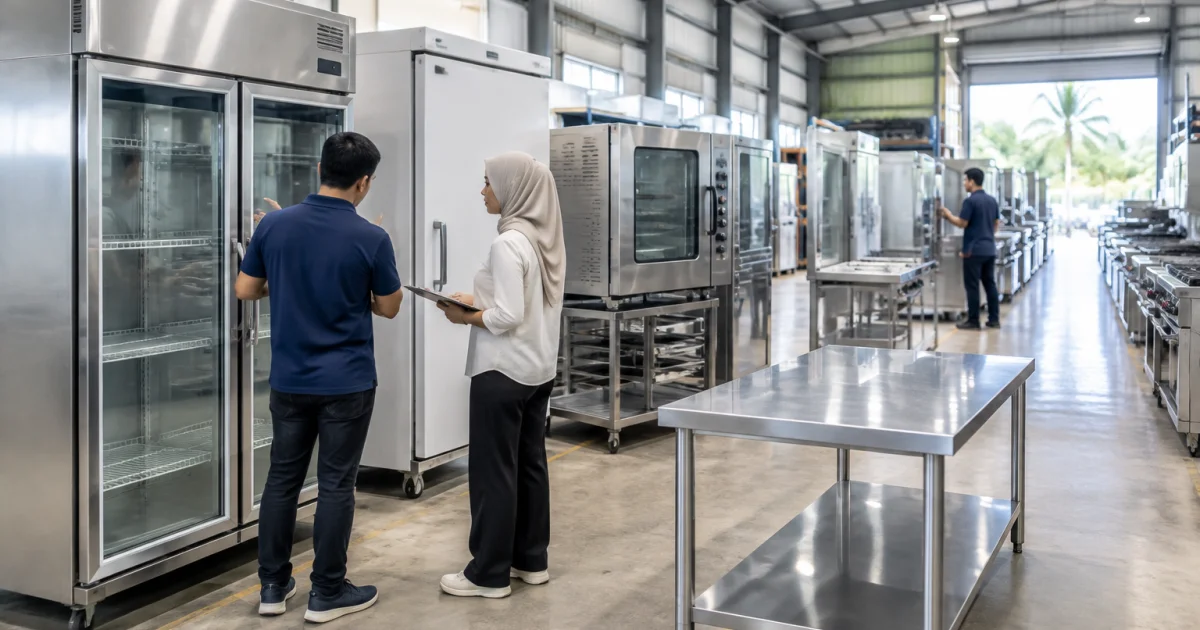
Malaysia’s Used Commercial Kitchen Equipment Market: What Buyers Should Know About Availability, Inspection, and Support
For new restaurants, cafes, bakeries, and expanding F&B operators, used equipment can be the difference between opening on time and delaying for months. The catch is that the used market isn’t like buying a small appliance for home: availability changes quickly, condition varies widely, and “cheap” can become expensive if a compressor fails or a heating element can’t be sourced.
This is a practical buyer’s guide to the used commercial kitchen equipment Malaysia market—specifically what you should expect around availability, how to inspect units before you commit, and what “support” should look like after delivery. If you’re purchase-ready, use this as a checklist to reduce risk and avoid downtime.
1) What “availability” really means in the used market (and why it changes fast)
In the new-equipment world, you choose a model and place an order. In the used world, availability is tied to what has been traded in, what has been refurbished, and what has been released by businesses that are renovating, relocating, or closing. That makes selection more fluid—and sometimes unpredictable.
Here’s how availability typically plays out for Malaysian buyers:
- Refrigeration moves the fastest. Upright chillers, chest freezers, counter chillers, and display chillers are constantly in demand because every F&B concept needs cold storage from day one.
- Stainless steel items are usually easier to source, but sizing can be the issue. Sinks, racks, and worktables are common, yet the exact dimensions you need for your layout may not be available at the moment you’re shopping.
- Specialized machines can be “rare finds.” Certain bakery machinery (e.g., specific mixer capacities) or food processing equipment may appear sporadically. If your menu depends on a specific machine, plan for lead time or consider a mix of used + new.
- Condition matters as much as “in stock.” Two identical-looking units can have very different remaining lifespan depending on prior use, maintenance, and refurbishment quality.
Practical example: A cafe planning to sell bottled drinks may prioritize a beverage display fridge near the counter. In the used market, you might see a visually similar unit available immediately—but with worn door gaskets or inconsistent temperature stability. Availability is not only “do you have it?” but also “do you have one that’s stable enough for daily service?”
Actionable takeaway: Before you fall in love with a unit you saw online, confirm (1) current stock status, (2) inspection/refurbishment steps completed, and (3) whether essential parts (thermostat, fan motor, hinges, heating elements) are serviceable if replaced later.
2) Where used equipment comes from—and what that tells you about risk
Understanding the source helps you predict wear-and-tear and what to inspect more aggressively. Used units typically enter the market through trade-ins, business upgrades, relocation/renovation, end-of-contract replacements, or liquidation. Each source tends to have patterns:
Trade-ins and upgrades
When operators upgrade capacity or change concepts, they may trade in functioning equipment. These can be strong candidates, especially when traded to a supplier that inspects and tests before resale. Your job is to verify what was checked and what was replaced.
Renovations and relocations
Restaurants moving locations often offload equipment that no longer fits the new layout. Condition can be fine, but dents, scratches, missing feet, or wiring modifications are common—especially for cooking lines and stainless steel counters.
Closures and liquidations
These can be bargain-heavy listings, but they also carry higher uncertainty. Equipment might have been left idle, exposed to poor cleaning routines, or removed in a rush. This doesn’t mean “avoid,” but it means you should inspect more thoroughly and prioritize units that have been tested under load.
Project surplus or replacement cycles
Hotels, catering operations, and food manufacturing facilities sometimes replace equipment on a planned cycle. You may find robust units here, but the tradeoff is heavy usage hours. For example, a prep chiller from a high-volume kitchen can look clean yet have a compressor that has worked hard for years.
Actionable takeaway: Ask one simple question that surfaces a lot of truth: “Why was this unit replaced?” If the answer is vague, treat it as a higher-risk purchase and demand a clearer inspection report and stronger support terms.
3) Inspection that matters: a buyer’s checklist by equipment category
Used equipment inspection should be systematic. You’re not trying to “find perfection”—you’re trying to confirm that the unit is safe, stable, and economically repairable. Below is a practical checklist you can use during a showroom visit or on delivery day (ideally both).
A) Refrigeration (upright chillers, chest freezers, counter chillers, display chillers)
Refrigeration is where hidden problems most commonly turn into expensive downtime. If you’re evaluating a display chiller fridge for a cafe, you want consistent temperature and airflow, not just “it feels cold.”
- Temperature stability: Ask for a running test long enough to show cycling behavior. Check if it cools down to target temperature and maintains it without wide swings.
- Compressor sound and cycling: Listen for abnormal rattling, frequent short cycling, or unusually long run times that may signal inefficiency or wear.
- Condenser cleanliness: Dirty coils reduce efficiency. A unit that has been maintained typically shows evidence of proper cleaning.
- Evaporator/fan condition: Look for frost patterns that suggest airflow issues. Confirm internal fans run smoothly.
- Door gaskets and hinges: Worn gaskets cause cold loss and higher electricity use. Check for cracks, looseness, and door alignment.
- Interior condition: Rust, water pooling, or persistent odor can signal long-term issues.
- Defrost function (where applicable): Especially for upright units, confirm defrost components and drainage are functional.
- Electrical safety: Ensure wiring is tidy and not patched in an unsafe way.
Practical example: A startup bakery buys a used upright chiller that “tested cold” at the seller’s warehouse, but it wasn’t loaded and was tested briefly. After installation, it struggles during peak hours and cannot maintain stable temperature. A longer test and a check on door seals could have flagged risk before purchase.
B) Cooking equipment (open burners, griddles, fryers, salamanders, ovens)
Cooking equipment should be inspected for safety, even more than cosmetics. A used griddle with uneven heating or a fryer with a failing thermostat can disrupt service and pose risk.
- Ignition and flame quality (gas units): Flames should be consistent, mostly blue, and stable. Yellow flames or soot can indicate airflow or burner issues.
- Heat evenness: For griddles and ovens, check hot spots. Ask for a test that demonstrates even heating.
- Thermostat and controls: Verify knobs, indicators, and temperature control respond correctly.
- Oil system integrity (fryers): Check for leaks, damaged drain valves, and signs of overheating.
- Structure and stability: Confirm legs/feet, frame alignment, and any door latching mechanisms.
- Cleanability: Excessive carbon buildup isn’t just cosmetic—it can hide cracks, corrosion, or poor maintenance habits.
Actionable takeaway: If you can’t test it safely and properly, treat the purchase as “as-is risk” and price it accordingly—or buy from a supplier who can run a proper pre-delivery test.
C) Bakery machinery (mixers, proofers, baking ovens)
Bakery machinery is often purchased used because new units can be a major capital expense. Inspection should focus on mechanical wear, alignment, and operational stability.
- Motor behavior and noise: Listen for grinding, whining, or inconsistent speed.
- Gearbox and transmission feel: Excessive vibration under load can indicate wear.
- Controls and safety switches: Emergency stop and guards should function.
- Accessories and completeness: Bowls, hooks, whisks, trays, and racks can be costly to replace if missing.
- Heating elements and insulation (ovens): Test heat-up time and stability; look for damaged seals.
Practical example: A dessert business finds “bakery machinery Malaysia” listings and buys a used mixer without confirming bowl compatibility. The unit runs, but the correct bowl is unavailable, forcing an unplanned replacement purchase. Always confirm included accessories and availability of compatible parts.
D) Food processing machinery (slicers, mincers, cutters, grinders, sealers)
These machines touch food directly, so hygiene and safety are non-negotiable. They also often require specific blades or consumables.
- Food-contact surfaces: Check for pitting, rust, or cracks where bacteria can accumulate.
- Blade condition and guard safety: Confirm guards are intact and the machine cannot run unsafely.
- Motor and load test: Ask for a demonstration with appropriate materials when possible.
- Consumables availability: Confirm blades, plates, and seals are replaceable locally.
If your operation involves used food equipment for food processing, consider setting stricter internal standards: documented cleaning, verified safety features, and a clear plan for consumables and spare parts.
E) Stainless steel: second-hand items vs custom fabrication
Second-hand stainless items can be excellent value, but only if they fit your workflow and are structurally sound.
- Weld quality and rigidity: Push and test for wobble; check welds for cracking.
- Surface condition: Deep scratches can trap residue; assess whether resurfacing is needed.
- Drainage and slope (sinks): Ensure water flows properly and the drain is aligned.
- Dimensions and ergonomics: A “cheap” worktable that’s too deep or too high can slow your team every day.
When the used market cannot meet your exact measurements, stainless steel kitchen equipment fabrication becomes the practical alternative—especially for L-shaped counters, integrated sinks, or food stall layouts where every centimeter matters. Many buyers mix both: used refrigeration + custom stainless for the line.
4) Refurbished vs “as-is”: what to ask before you pay
Two used units can look similar but represent different risk profiles depending on whether they were inspected, repaired, and tested. The words “refurbished” and “reconditioned” are sometimes used loosely, so ask for specifics.
Questions that clarify the real condition
- What inspection steps were performed? For refrigeration: temperature test, gas/leak checks, fan operation, thermostat verification, door seal checks.
- What parts were replaced? Ask for a simple list (e.g., gasket, thermostat, fan motor, heating element, igniter).
- Was it tested under load or only empty? Load testing better simulates real use.
- What is excluded? For example, bulbs, trays, accessories, or cosmetic panels.
- Is there a service history or trade-in context? Even a basic explanation reduces uncertainty.
Practical example: You’re comparing two used display chillers. Unit A is cheaper but sold as-is with a quick power-on. Unit B costs more but includes a documented temperature stability test and replaced door gaskets. For a high-visibility front-of-house unit, Unit B can be lower total cost once you factor reduced breakdown risk and better energy performance.
5) Delivery, installation, and commissioning: where many used purchases go wrong
Even a well-inspected unit can fail in practice if it’s transported poorly or installed incorrectly. This is especially true for refrigeration and heavy cooking equipment. Buyers often focus on the purchase price and overlook commissioning—the final step where the unit is confirmed to run correctly in your kitchen.
What to confirm before delivery day
- Site measurements: Doorways, corridors, lift access, turning radius, and placement clearances (including ventilation for fridges and freezers).
- Power requirements: Confirm voltage, plug type, and circuit capacity. Avoid last-minute rewiring surprises.
- Drain and water lines: For ice machines, sinks, some refrigeration, and specific beverage or foodservice equipment.
- Gas line compatibility: For gas cooking equipment, confirm connection type and safe installation expectations.
- Floor load and leveling: Uneven floors can affect door alignment, drainage, and vibration.
Commissioning checklist (do this immediately after installation)
- Refrigeration: Confirm it pulls down to temperature and holds steady after cycling. Check door seal contact and interior fan operation.
- Cooking: Confirm ignition, flame stability, and thermostat response. Check for leaks and abnormal smells.
- Stainless steel: Check wobble, drainage flow, and sharp edges.
Actionable takeaway: Treat commissioning as your “final inspection.” If a seller offers installation support, use it—because the cost of downtime during your first weeks of operation is usually far higher than the cost of doing commissioning properly.
6) What “support” should include: warranty expectations, service response, and parts planning
Support is where BOFU buyers make their final decision. In a used purchase, you’re not only buying a machine—you’re buying a plan for what happens when something needs adjustment, repair, or replacement.
Support elements worth clarifying in writing
- Warranty scope: What is covered (compressor, thermostat, motor) and what is not (cosmetic items, consumables).
- Warranty duration and conditions: For example, whether coverage depends on proper installation and electrical compliance.
- Service turnaround expectations: Not a guarantee, but a realistic explanation of how service scheduling works.
- Spare parts approach: Whether common parts can be sourced and whether alternatives exist for older units.
- After-sales contact process: Who to call, what details to provide (model, symptoms, photos), and how troubleshooting is handled.
Parts planning tip: For mission-critical equipment (a main upright chiller, a chest freezer holding high-value stock, or your primary oven), consider building a simple contingency plan: backup cold storage options, a maintenance schedule, and a short list of quick-replacement parts (gaskets, thermostat sensors, fuses) if applicable.
7) How to choose the right supplier for used equipment (and when to mix used + new)
The right supplier reduces risk through inspection quality, transparency, and practical support. When you’re comparing options, ask yourself whether you’re buying from a listing—or from a commercial kitchen equipment supplier Malaysia that can actually support your opening and day-to-day operations.
Green flags when evaluating a supplier
- Clear inspection/testing process: They can explain how units are tested before sale.
- Variety with relevance: They carry refrigeration, cooking equipment, and stainless solutions so you can coordinate a consistent kitchen setup.
- Ability to support layout realities: They can advise whether a counter chiller fits your line flow or whether a custom stainless counter is the better route.
- Delivery and installation coordination: Especially useful for startups that need everything commissioned quickly.
- Trade-in or rental options: Helpful when you want to upgrade later or need temporary equipment for peak season or expansion phases.
When a mixed approach makes sense
Many successful openings use a “mix” strategy:
- Buy used for big-ticket essentials: Upright chiller, chest freezer, stainless tables, some cooking equipment—if inspection results are solid.
- Buy new for items with high failure impact or strict performance needs: For example, a core production oven for a bakery, or specialized equipment where parts availability is uncertain.
- Custom fabricate stainless where sizing drives efficiency: Counters, sinks, and workstations that must fit a tight layout or specific workflow.
Practical example: A hawker-style stall operator may buy a used freezer and used worktable to keep costs down, but commission a custom stainless counter that matches service flow and storage needs. The used items save budget; the custom counter improves speed and hygiene daily.
Useful next steps for equipment shortlists
If you’re building your checklist, these categories can help you compare options quickly and stay organized:
- Commercial Refrigerator options to understand common formats and footprint needs
- Chest Freezer sizes that match storage volume and back-of-house space
- Counter Range layouts for prep lines and compact kitchens
- Display Range ideas for front-of-house merchandising and beverage display fridges
- Ice Cream Range solutions for dessert concepts and frozen product sales
Conclusion: buy used like an operator, not a bargain hunter
The used market is a strong route for Malaysian startups and expanding kitchens—but only when the purchase is treated as an operational decision. Availability is dynamic, so you need clarity on condition and fit. Inspection must be category-specific, not a quick visual check. And “support” should be real: installation coordination, commissioning, parts planning, and after-sales response that helps you stay open.
Use this guide to build your shortlist and inspection checklist. When you find a unit that fits your menu, your kitchen layout, and your risk tolerance, move decisively—because in the used market, the best units don’t sit for long.
Frequently Asked Questions
Is it safe to buy used commercial kitchen equipment in Malaysia for a new restaurant?
Yes—if you treat it like a professional procurement process. Focus on units that can be properly tested, verify safety and temperature/heating stability, and buy from a supplier that can support delivery, installation, and after-sales service. Avoid “power on only” checks for refrigeration or cooking equipment.
What should I check first when buying a used display chiller or beverage display fridge?
Start with temperature stability and airflow: confirm it pulls down to target temperature and maintains it through cycling, check internal fans, and inspect door gaskets for leaks. Also look for condenser cleanliness and listen for abnormal compressor cycling, which can signal future reliability issues.
Are second-hand stainless steel kitchen equipment items worth it, or should I fabricate new?
Second-hand stainless steel items can be excellent value when dimensions fit your layout and the welds and structure are solid. Choose fabrication when sizing is critical (tight kitchens, L-shapes, integrated sinks, specific workflow needs) or when the used market can’t match your required measurements.
What does “refurbished” used equipment usually include—and what should I ask for?
It should include clear inspection steps and any replaced parts (for example gaskets, thermostats, fan motors, igniters, heating elements). Ask whether the unit was tested under load, what is excluded (accessories, trays, bulbs), and whether the seller can explain why the unit was traded in or replaced.
How do I choose a commercial kitchen equipment supplier in Malaysia for used equipment?
Look for transparency on inspection/testing, practical advice on layout and commissioning, and a clear after-sales process. A one-stop supplier that can cover refrigeration, cooking, and stainless solutions can reduce coordination problems—especially for startups opening on a tight timeline.
Need inspected used equipment with real installation support?
Pearlmile helps Malaysian F&B operators source inspected used commercial kitchen equipment, coordinate delivery and installation, and support your kitchen setup with refrigeration, cooking equipment, bakery machinery, food processing machines, and custom stainless steel fabrication.
If you’re building a purchase shortlist, share your menu, kitchen layout, and budget range—our team can recommend practical options (new, used, rental, or trade-in) that fit your workflow and opening timeline.